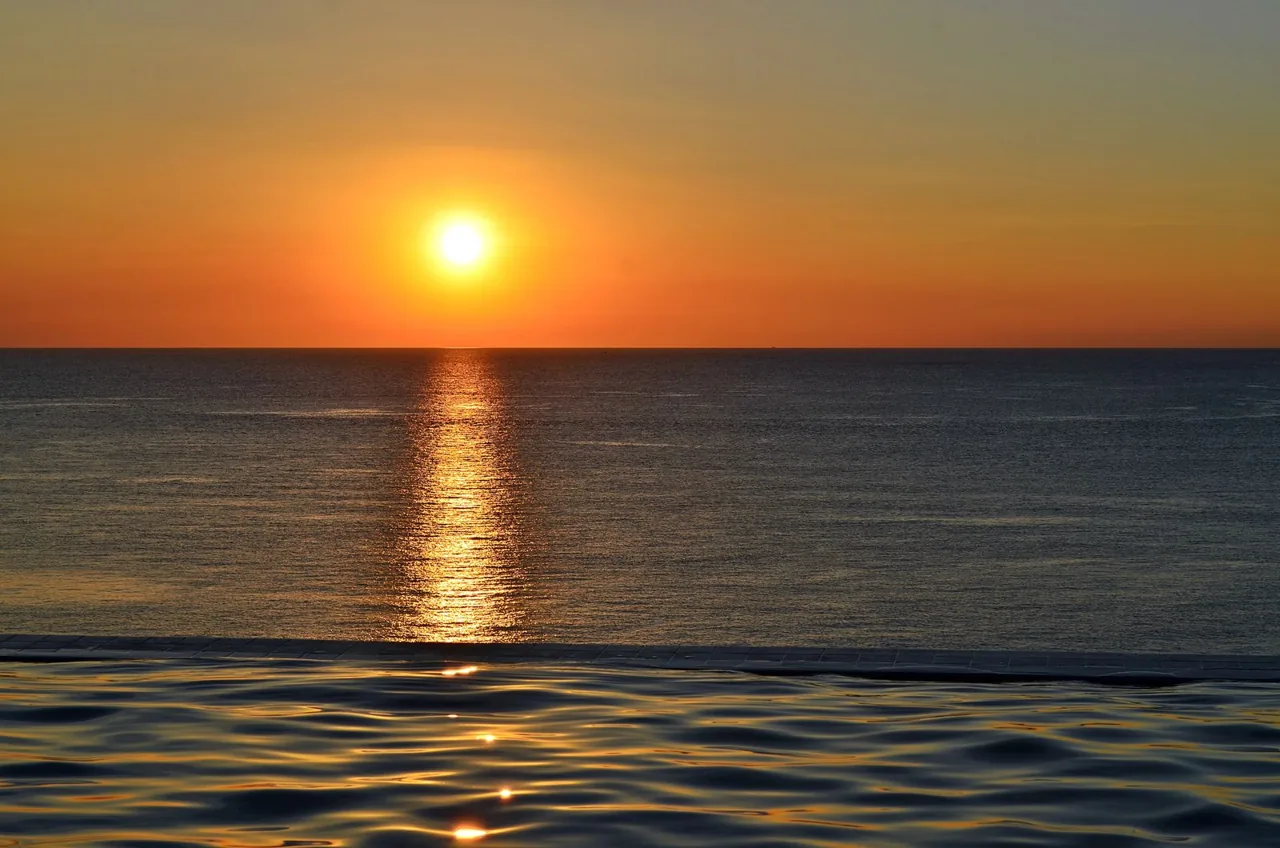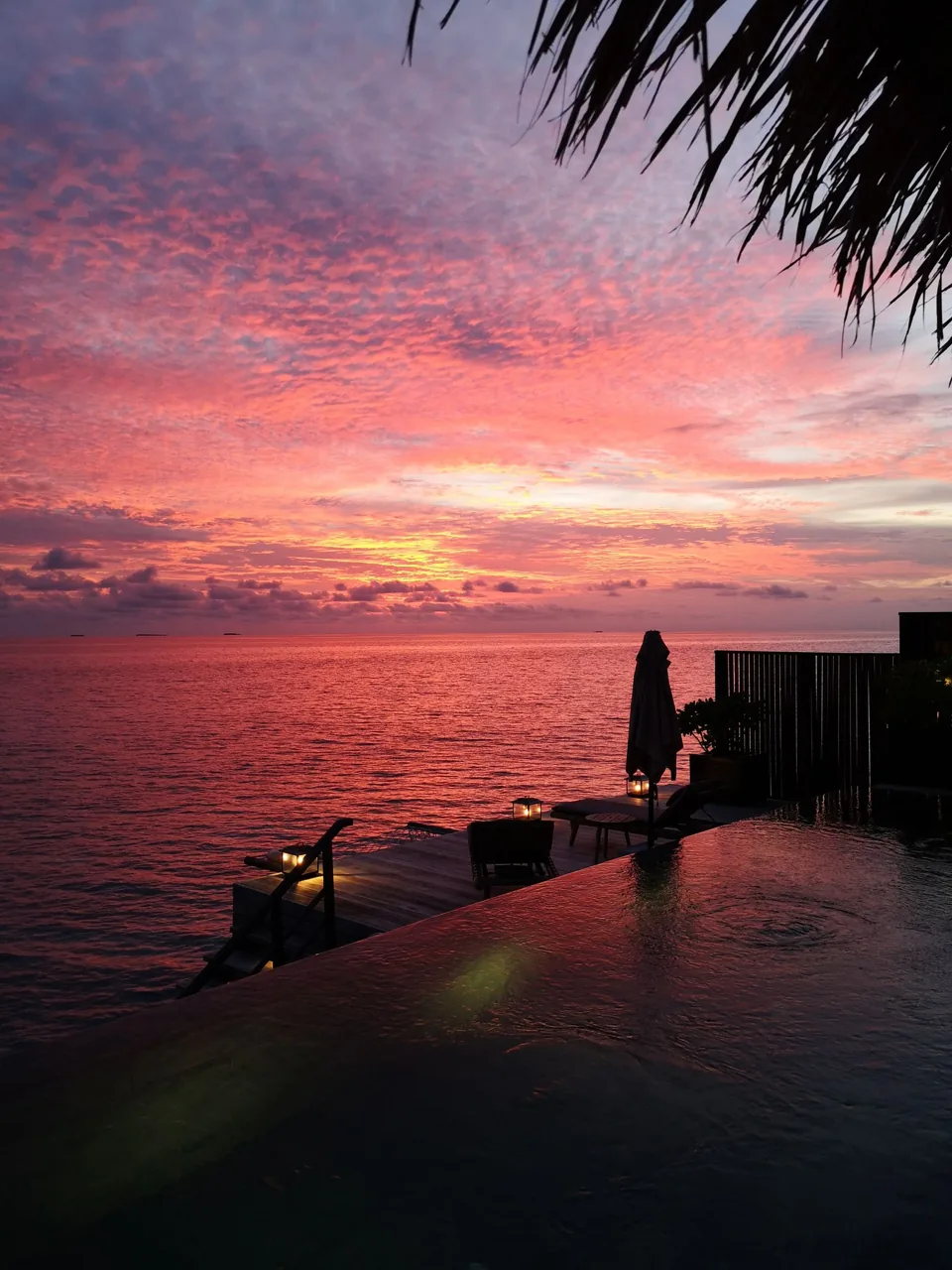
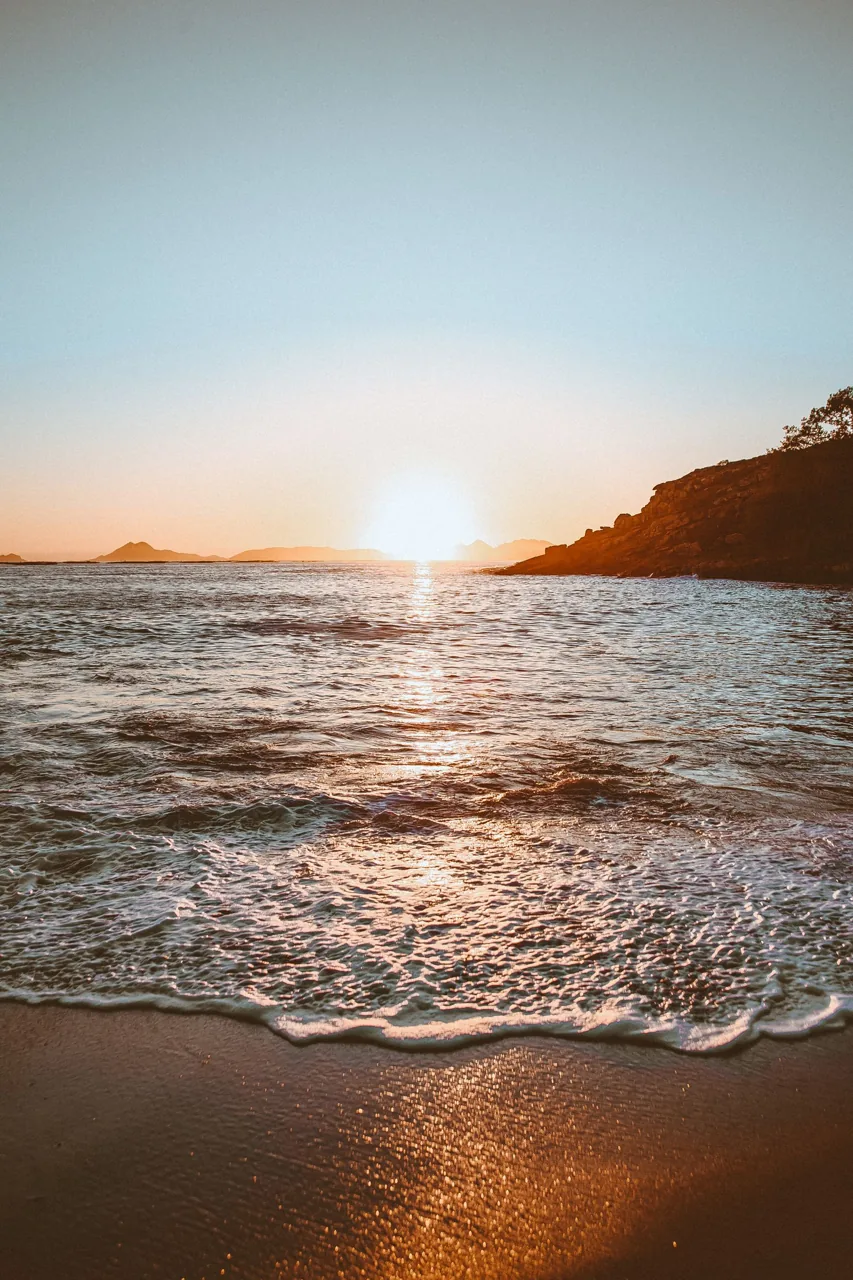
Ask any photographer why they set an alarm for dawn or plan dinner around dusk and they will say the same thing: the light. Golden hour — that soft, warm window just after sunrise and just before sunset — makes everything look better. In the tropics it seems to last longer and glow harder than anywhere else. There is real physics behind that, and understanding it will make you a better sunset watcher.
Why the Light Turns Gold
When the sun is high in the sky, its light passes through a relatively thin slice of atmosphere and reaches you looking white. As the sun sinks towards the horizon, its light has to travel through far more air to reach your eye. Along that longer path, the atmosphere scatters away the short blue and violet wavelengths and lets the long red, orange and gold wavelengths through. What is left is warm, low-angled light — the golden hour. The same scattering that paints the midday sky blue is what turns the evening sky amber.
The Role of Haze and Humidity
This is where the tropics have an advantage. Warm, humid air holds tiny water droplets and fine particles that diffuse the light, softening its edges and spreading the colour across the whole sky rather than concentrating it in a hard disc. The heavy afternoon humidity you feel in Bali is the same haze that makes its sunsets so painterly. A perfectly dry, crystal-clear sky can actually produce a sharper but less colourful sunset; a little atmospheric moisture is what gives the tropical dusk its melting, saturated quality.
Why Equatorial Dusk Feels Different
Near the equator the sun drops towards the horizon at a steep, almost vertical angle. That means the transition from day to night is quicker than it is at higher latitudes, where the sun slides down at a shallow angle and twilight lingers. It sounds like a disadvantage, but it concentrates the drama — the colours arrive fast, peak intensely, and are gone within perhaps twenty minutes. If you want to catch a tropical sunset properly, be in position early, because it will not wait for you.
The Fabled Green Flash
Occasionally, in the last second before the sun disappears, the very top of the disc flares emerald green. The green flash is not a myth; it is refraction bending the sun's light like a prism and briefly separating the green from the red. You need a clean, low sea horizon and a good deal of luck. We have chased it for years and seen it only a handful of times, always over water, always for less than a breath. That fleeting rarity is exactly why it is worth chasing.
None of this science makes a sunset less magical — if anything, knowing why the sky glows the way it does makes the show more rewarding. So pour a drink, face west, and let a little physics deepen the view.