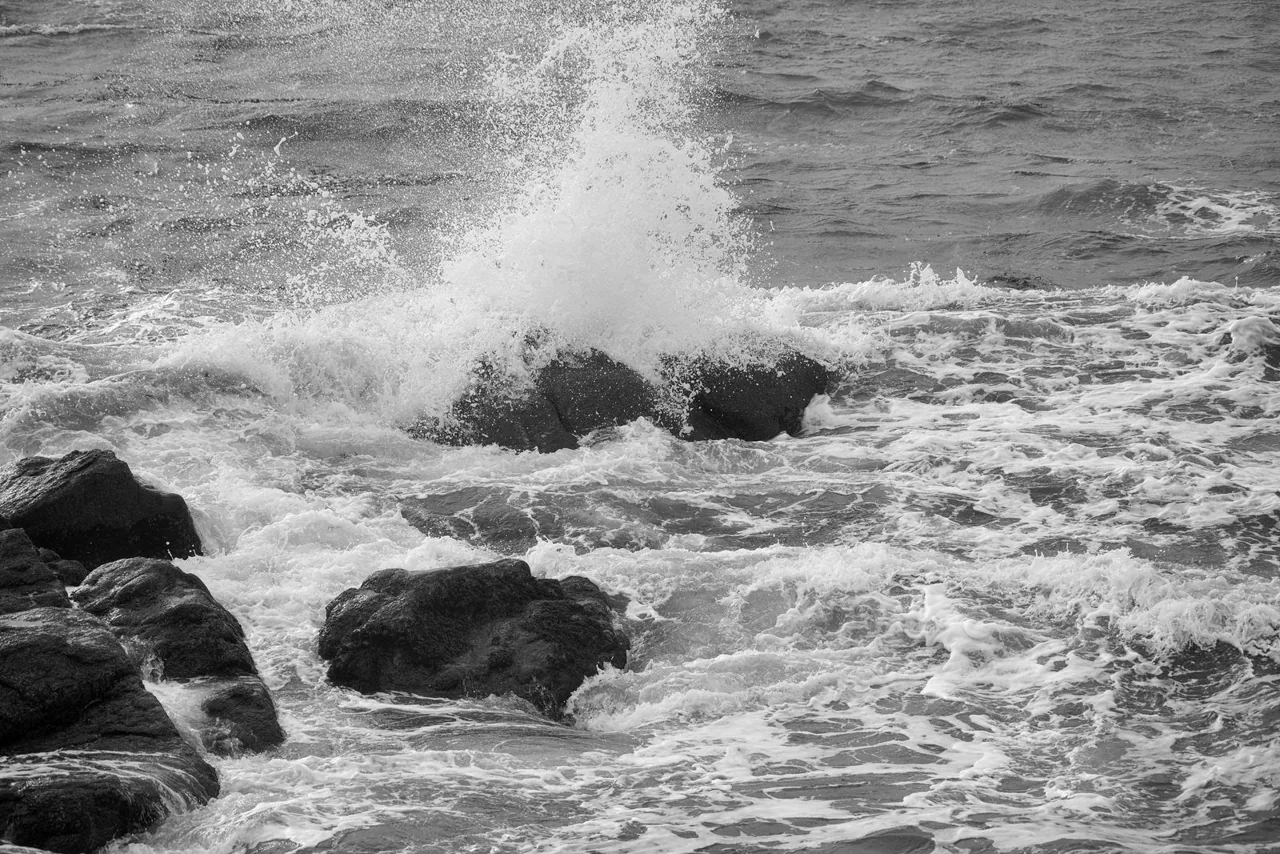
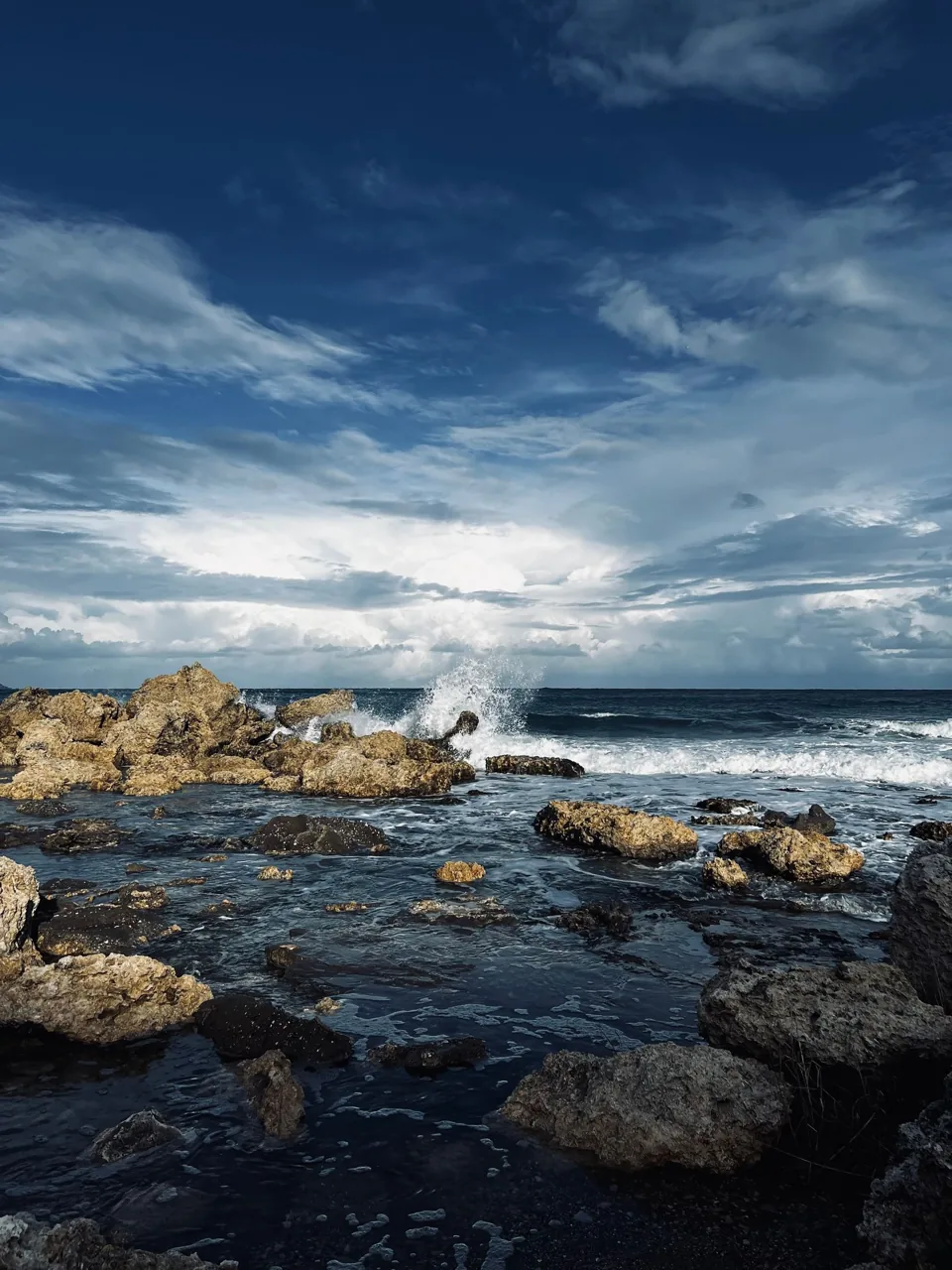
We love the ocean view. But we also respect the ocean's power. Whether you are walking on a beach in Oregon or swimming in Bali, the sea is a dynamic, unpredictable force. Too often, tourists treat it like a swimming pool, leading to avoidable tragedies. At Villa View Global we believe that enjoying the view includes understanding what you are looking at. Here is a guide to reading the water, understanding tides and staying safe.
Reading the Tides
Tides are the heartbeat of the ocean, driven by the gravitational pull of the moon and sun. At high tide the water is furthest up the beach — often the best time for swimming, as the water is deeper over shallow reefs. At low tide the water recedes, revealing rock pools and sandbars. This is the time for beachcombing, but be careful not to get stranded on a sandbar as the tide turns.
Knowing the tide times is crucial. In some parts of the world the difference between high and low tide can be massive, cutting off access to coves and caves. Always check a local tide chart before a long beach walk.
The Danger of Rip Currents
A rip current is a powerful channel of water flowing away from the shore, and it is the number one hazard for beachgoers. To spot one, look for a break in the incoming wave pattern — a rip often looks like a calm river of water moving out to sea, sometimes discoloured with sand. If you are caught in a rip, do not swim against it; you will exhaust yourself. Swim parallel to the shore until you are out of the current, then swim back in. The lifeguards' guidance on how to break the grip of a rip is worth reading before any beach holiday.
Sneaker Waves
In our home base of the Pacific Northwest, sneaker waves are a serious threat. These are disproportionately large waves that surge high up the beach without warning and can drag unsuspecting walkers into the surf. Never turn your back on the ocean, even when it looks calm.
Reef Safety
In tropical destinations like Bali the danger is often under the water. Coral reefs are sharp and full of bacteria, so a reef cut can easily become infected in the humidity. Always wear reef shoes if exploring rock pools, and never stand on living coral — it damages the ecosystem and can injure you. The ocean is beautiful, but it demands respect. A little knowledge ensures you can enjoy the view safely.